


 by
by 
Putting your home on the market is a big step. It usually comes with excitement, stress, and — let’s be honest — a fair amount of spending. One hurdle that trips up many sellers is the home inspection.
No home is perfect. Inspectors know that. Buyers know that, too. But certain issues can cause a deal to slow down, be renegotiated, or fall apart entirely.
If you’re wondering what happens if a house fails inspection, or more importantly, how to pass a home inspection, this guide will walk you through the most common problem areas — and what you can realistically do about them.
How Long Does a Home Inspection Take?
Before we dive in, a quick reality check.
Most home inspections take 2–4 hours, depending on the home’s size and age. During that time, the inspector will evaluate major systems like the roof, HVAC, plumbing, electrical, foundation, and visible structure.
Yes, home inspectors are allowed to move things, but only within reason. They may move light items, access panels, or open cabinets, but they won’t dismantle walls or move heavy furniture. If something isn’t accessible, it may still get flagged.
Related: Selling Your Home | Tips To Maximize Value
What Inspectors Look for (and What Can Cause a Fail)
No home inspection is pass-or-fail in the way people often imagine. Most inspections uncover a mix of minor issues and a few items that carry more weight.
The problems that tend to cause deals to stall, or even fall apart, are usually related to safety, structure, or major systems. These are the issues buyers, lenders, and inspectors take most seriously.
The list below covers the most common things that cause a house to fail inspection, along with why they matter and what sellers can do about them before listing.
1. HVAC Problems
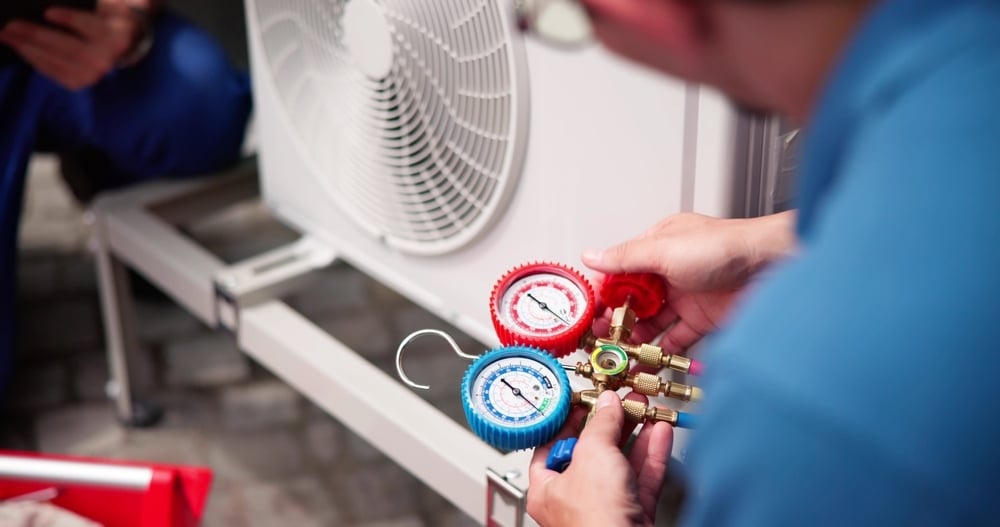
In Arizona, especially, HVAC issues are among the biggest inspection deal-killers.
If the AC unit isn’t cooling properly, the furnace shows signs of age, or the system hasn’t been serviced in years, it will almost certainly be noted in the report.
Inspectors look for:
- Proper operation
- Signs of wear or corrosion
- Dirty or damaged ductwork
- Inconsistent airflow.
If your home’s AC unit is having issues, or if your furnace is showing the ill effects of aging with visible wear and tear, it’s worth having these issues remedied before you list your home for sale. If you want to improve your odds of passing inspection, this is one area worth addressing before listing. A basic service call or tune-up can prevent much bigger headaches later.
2. Mold and Moisture Issues
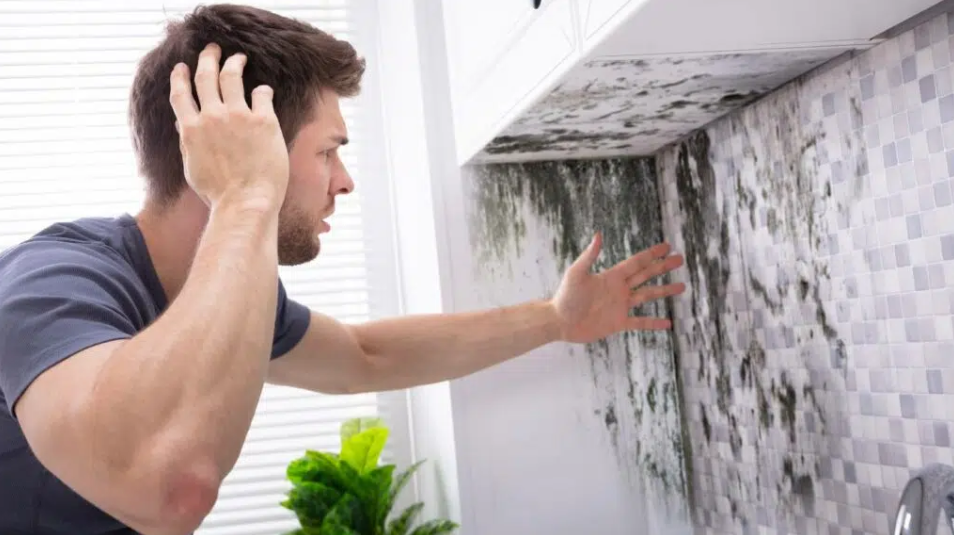
Mold is one of those things that instantly raises red flags for inspectors and buyers alike.
It’s not just cosmetic. Mold can signal ongoing moisture problems and potential health concerns. Inspectors use moisture meters, infrared cameras, and their own senses to detect it.
Painting over mold won’t cut it. If there’s an issue, it needs to be professionally treated and fixed at the source.
While some buyers may choose to pay for home inspection repairs if they really want the house, most will either request repairs or credits, or walk away entirely.
3. Pest Infestations

Few things derail buyer confidence faster than pests.
Termites, rodents, wood-destroying insects, or even evidence of a past infestation will show up on an inspection report. And yes, this can absolutely cause a buyer to reconsider.
If you’ve ever had a pest issue, it’s worth getting professional treatment and documentation before the inspection. It’s a small upfront cost that can prevent a much bigger negotiation later.
4. General Wear and Tear
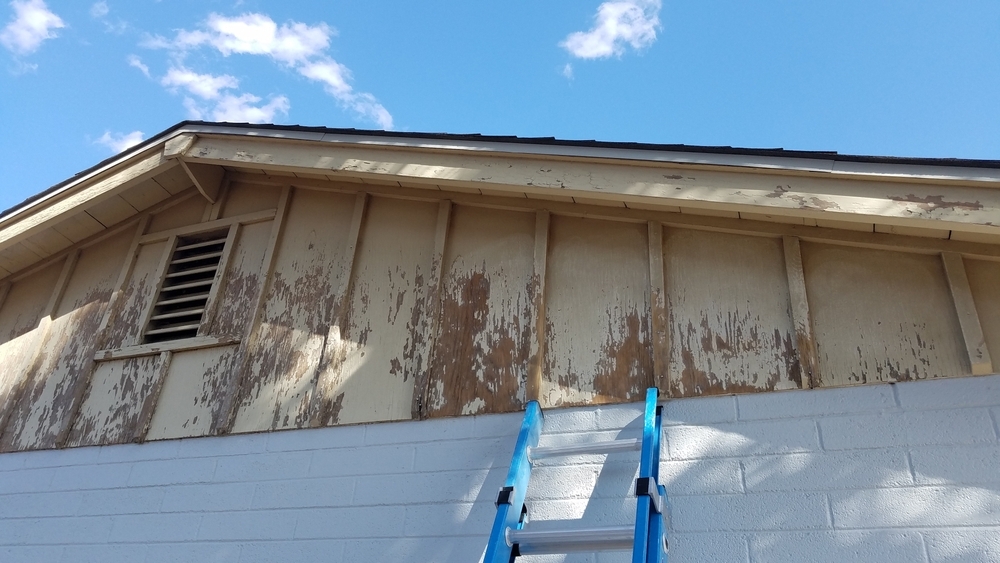
Not everything that looks bad fails an inspection, but it still matters.
Peeling paint, damaged trim, holes in walls, or broken fixtures may not technically fail the inspection, but they can create the impression that the home hasn’t been well-maintained.
Buyers tend to assume:
“If this stuff was ignored, what else was?”
Taking care of small cosmetic issues can go a long way toward smoothing the inspection process and avoiding nitpicky repair requests.
5. Building Code Violations
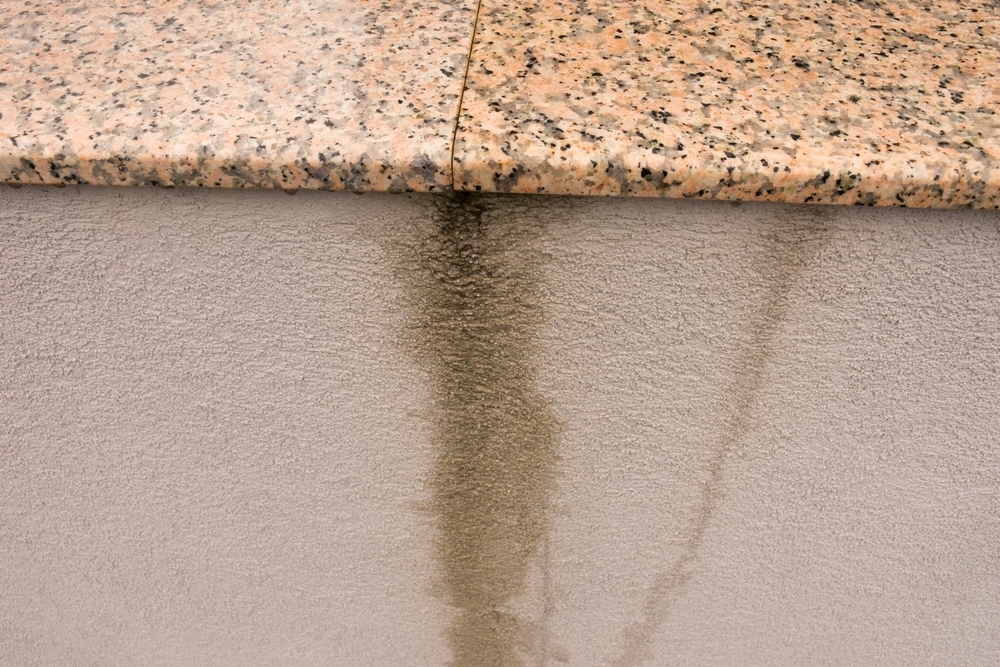
This is where things get serious.
Unpermitted work, outdated wiring, or renovations that don’t meet current code are among the most common reasons a home inspection fails outright. Building and housing code violations are more common than many people realize, which is why it’s important to know the building rules and regulations for your particular state.
Inspectors will flag:
- DIY electrical or plumbing work
- Additions without permits
- Poor or incorrect construction
- Safety issues that violate local building codes.
If you’re unsure whether past work was permitted, it’s better to find out before the buyer does. Some fixes are mandatory; others are negotiable. If any code violations are flagged, they must be rectified before you can put your home on the market.
So what fixes are mandatory after a home inspection?
Generally speaking, safety and code-related issues carry the most weight, especially if the buyer’s lender is involved.
6. Roof Issues

Roof problems are expensive, obvious, and hard to ignore.
Loose shingles, active leaks, rot, or storm damage will be flagged immediately. Even an aging roof near the end of its lifespan can become a negotiation point.
Because roof repairs aren’t cheap, buyers may request repairs, credits, or a price reduction, or walk away if the issue feels too big.
7. Electrical Issues
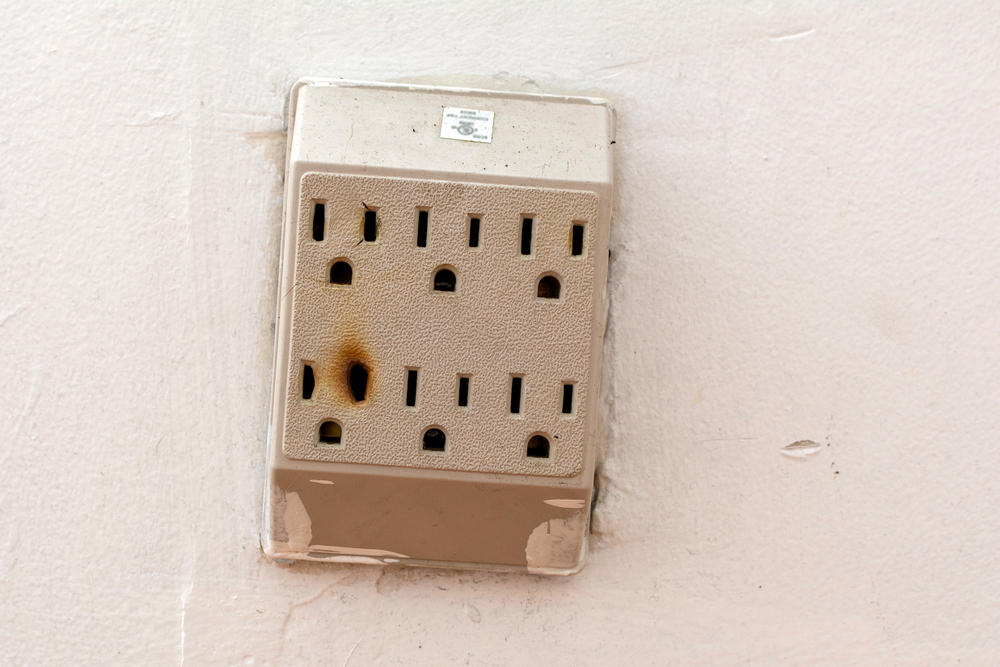
Electrical problems are one of the most common things that fail a home inspection, especially in older homes or properties where updates were done over time.
Home inspectors often flag:
- Outdated or overloaded electrical panels
- Improper or exposed wiring
- Missing GFCI outlets in kitchens, bathrooms, garages, and outdoor areas
- Loose outlets or switches.
While not every electrical issue will kill a deal, safety-related problems usually lead to repair requests and, in some cases, lender requirements. If something looks questionable, it’s worth having an electrician take a look before listing.
8. Plumbing Problems

Plumbing issues have a way of turning small leaks into big negotiations.
During an inspection, plumbers and inspectors look for:
- Active leaks under sinks or behind fixtures
- Poor water pressure
- Slow or clogged drains
- Corroded or outdated piping
- Old water heaters, improperly installed, or not functioning correctly.
Even minor plumbing issues can raise concerns about hidden damage, which is why they frequently appear on inspection reports.
9. Foundation and Structural Concerns
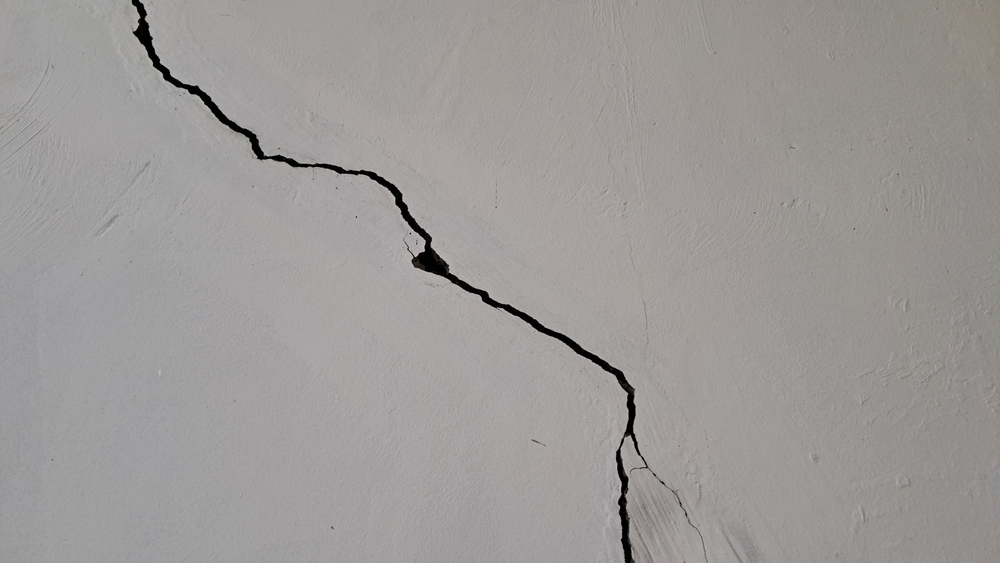
Anything involving the structure of a home tends to get extra attention and additional scrutiny.
Inspectors may flag:
- Cracks in the foundation or interior walls
- Uneven or sloping floors
- Doors or windows that don’t open or close properly
- Signs of settling or movement.
Not every crack means the home is unsafe, but structural concerns often lead buyers to request further evaluations or concessions before moving forward.
10. Water Damage and Drainage Issues
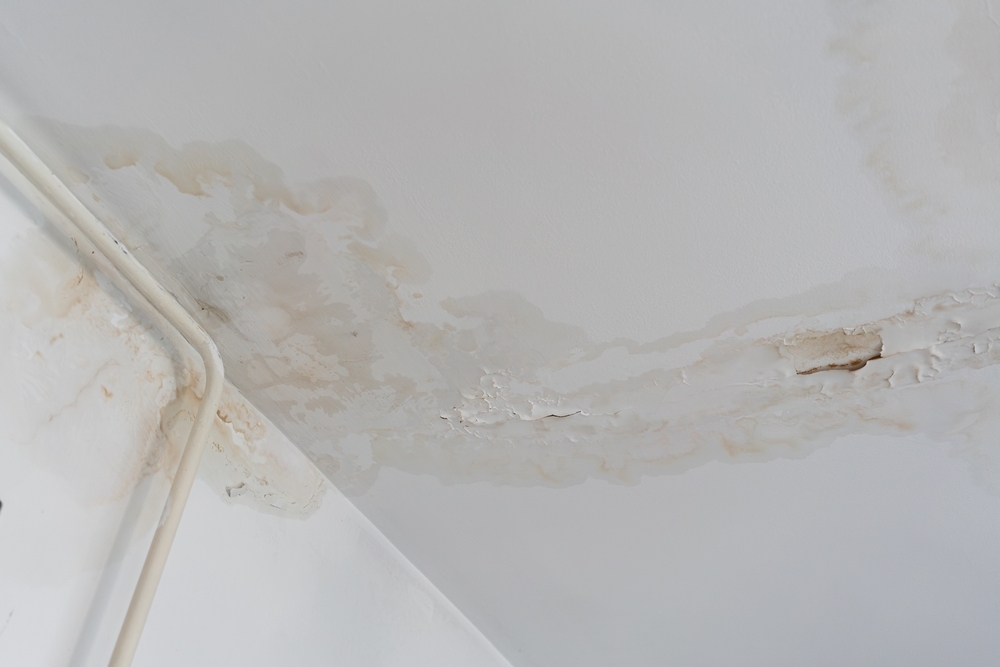
Water damage is a red flag in any climate, and Arizona homes are no exception, especially after heavy rains or monsoon season.
Common inspection findings include:
- Water stains on ceilings or walls
- Poor grading around the home that directs water toward the foundation
- Signs of past leaks around windows, doors, or roofs.
Even if the issue was resolved in the past, visible signs of water damage can still raise buyer concerns during an inspection.
11. Safety and Compliance Issues
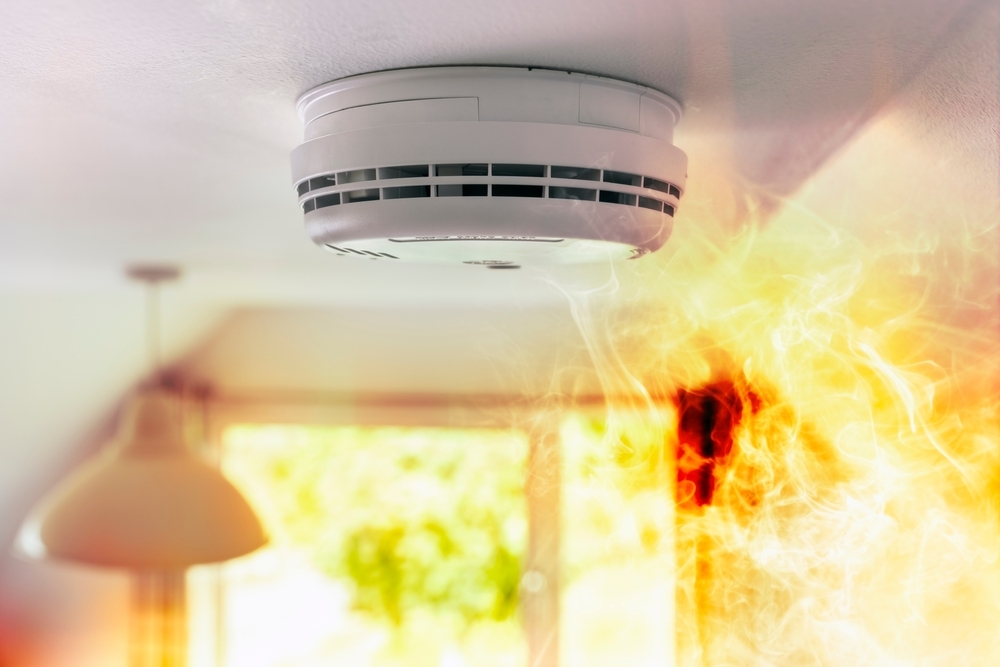
Some of the easiest inspection issues to fix are also the most commonly overlooked.
Inspectors frequently note:
- Missing or non-functioning smoke or carbon monoxide detectors
- Broken handrails or stair railings
- Improperly installed garage door safety sensors.
These may seem minor, but inspectors are required to document safety issues, and buyers often ask that they be corrected before closing.
12. Attic and Insulation Problems
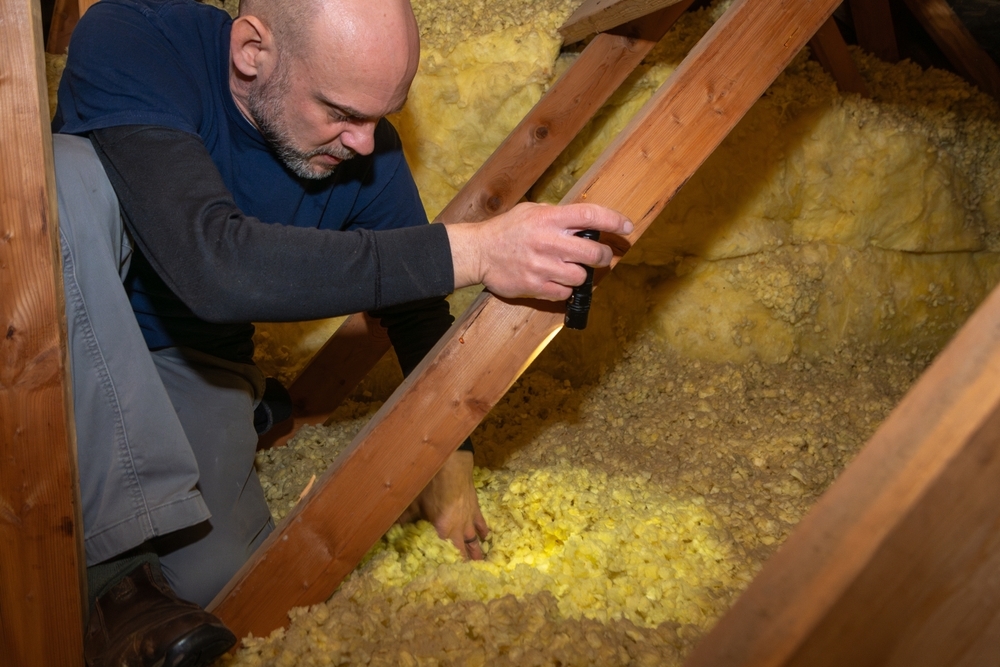
The attic can reveal a lot about how well a home has been maintained.
During an inspection, the attic is checked for:
- Proper insulation levels
- Adequate ventilation
- Signs of roof leaks or moisture
- Evidence of pest activity.
Problems in the attic can impact energy efficiency, comfort, and long-term maintenance costs, which is why they’re commonly flagged.
Seller Tip: Why So Many Homes “Fail” Inspection
Most homes don’t fail inspection because of a single major issue. They fail because of a collection of smaller problems that add up.
Taking care of obvious maintenance items, fixing safety concerns, and addressing known system issues before listing can dramatically reduce inspection-related surprises and help keep negotiations from getting tense.
What Happens If a House Fails Inspection?
Here’s the good news: a “failed” inspection doesn’t automatically mean your deal is dead. In fact, most inspection reports uncover something. That’s normal.
What matters is how both sides respond.
In most cases, one of three things happens:
- The buyer requests repairs
This is the most common outcome. The buyer may ask the seller to fix specific issues — usually related to safety, functionality, or major systems like the roof, HVAC, plumbing, or electrical. These requests are negotiated during the inspection period and can be accepted, modified, or declined. - The buyer asks for a credit or price reduction
Instead of asking you to handle repairs, some buyers prefer a credit at closing or a price reduction. This allows them to handle the work themselves after closing and avoids delays. Credits are often used for larger items where timing or contractor availability is an issue. - The buyer walks away
If the inspection reveals major problems — or if the two sides can’t agree on repairs or credits — the buyer may choose to walk away during the inspection contingency. While that’s frustrating, it’s also part of the process and protects both parties from being forced into a bad deal.
The key thing to remember: inspections are about negotiation, not perfection. Being proactive, realistic, and flexible often keeps deals moving forward — even when issues come up.
Related: How to Price Your Arizona Home to Sell Fast
How a Flat Fee REALTOR Can Help When Inspection Issues Come Up
Home inspections can be stressful, especially if they uncover repairs you weren’t budgeting for. Roof work, HVAC fixes, electrical updates… those costs add up fast.
This is where working with a flat fee real estate company like AZ Flat Fee can make a real difference.
With a commission-based agent, you’re typically paying around 3% on the listing side. On a $450,000 Arizona home, that’s $13,500 in commission — regardless of whether your inspection turns up zero issues or several expensive ones.
With a flat fee model, you keep more of your equity. That saved commission can be used to:
- Cover inspection-related repairs
- Offer a credit to the buyer instead of rushing fixes
- Price more competitively without eating into your bottom line.
And just as importantly, you’re not giving up support. You still get full MLS exposure, professional guidance through negotiations, and help navigating inspection requests — you’re simply not overpaying for it.
When inspections get complicated, having more financial flexibility often makes negotiations easier and less stressful. That’s one of the biggest advantages of choosing a flat fee vs a commission-based real estate approach, especially when unexpected repairs come into play.
💡 Quick Math Example
On a $450,000 Arizona home, a standard 3% listing commission would cost about $13,500.
With AZ Flat Fee, the listing cost is typically around $3,500 (depending on the package), saving you $10,000.
If inspection repairs total $6,000, those commission savings can cover the work and still leave money in your pocket, plus you’re far less likely to feel pressured into bad concessions. By using a flat fee REALTOR, you get all this without sacrificing full service or professional support.
Home Inspection FAQs for Sellers
Is the seller responsible for any repairs after closing?
No. Once the sale closes, responsibility for the home transfers to the buyer. Any repairs or credits must be negotiated before closing as part of the inspection period.
Who pays for the home inspection if the deal falls through?
In most cases, the buyer pays for the inspection, even if they decide to walk away. Inspection costs are generally non-refundable.
Are home inspections public record?
No. Home inspection reports belong to the buyer. They are not public record unless the buyer chooses to share them with you or future buyers.
How can a seller prepare to pass a home inspection?
Make sure utilities are on, clear access to key areas (attic, electrical panel, water heater), fix obvious maintenance issues, and consider a pre-listing inspection if you want fewer surprises.
Can a buyer back out after the inspection?
Yes — if the contract includes an inspection contingency, the buyer can usually walk away without penalty during that period.
Be Proactive, Not Reactive
Selling your home doesn’t require perfection, but it does require preparation.
Addressing known issues upfront puts you in control of the conversation and helps avoid last-minute surprises. It can also lead to fewer repair requests, stronger buyer confidence, smoother negotiations, and a cleaner path to closing.
And remember: passing inspection doesn’t mean fixing everything; it means understanding what matters most and handling it smartly.
👉 Book Your Free Consultation and see how simple selling your home in Arizona can be.